

Research
The School of Engineering and Materials Science is structured into four core academic centres. Our internationally-leading research is supported by industrial, clinical and academic partnerships. We have a long track record of worldwide research impact.
Take a look at all the research centres in the Faculty of Science and Engineering.
Core Centres
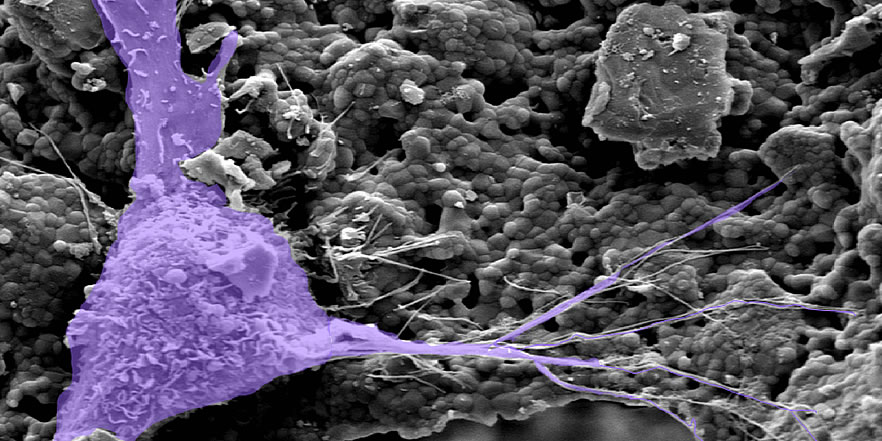
Bioengineering
Application of science and engineering to understand biology and to advance health care

Intelligent Transport
Mechanical, Aeronautical and Robotics Engineering join with Materials to drive future transport

Research in Engineering and Materials Education
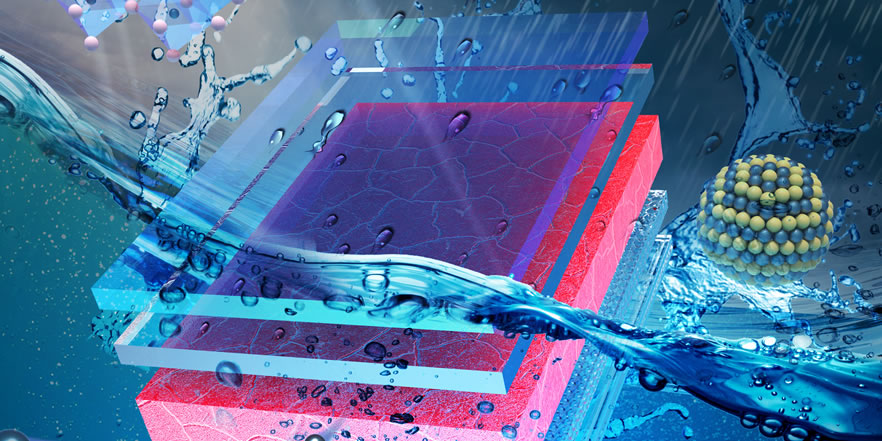
Sustainable Engineering
Materials, Chemical Processes, Energy and Systems for a Sustainable Future
Key Cross-School Research Centres
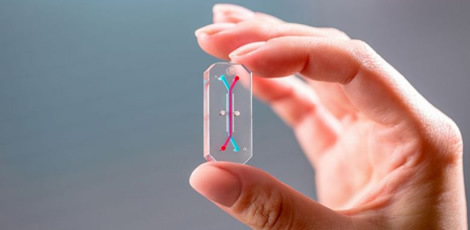
Predictive in-vitro Models
A world-leading centre for predictive in vitro model research, training and translation
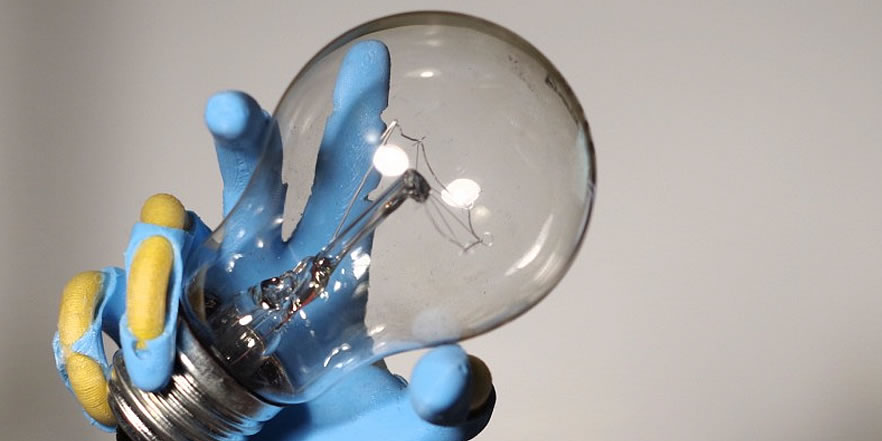
Advanced Robotics
A multidisciplinary research centre dedicated to advancing robotics in diverse applications
Associated Centres

NanoVision
A state-of-the-art microscope unit, which brings together the latest imaging technologies to open up new avenues for cutting-edge research

Nanoforce
An industry-facing R&D consultancy specialising in cutting-edge science and technology solutions
2021 Research Excellence Framework
In the 2021 Research Excellence Framework (REF), Queen Mary University of London's Engineering was ranked 7th in the UK out of 89 universities that were assessed. Our Engineering research publications were ranked 2nd in the UK, with 61.5% of publications assessed as world-leading. Our research continues to be published in the highest quality journals.
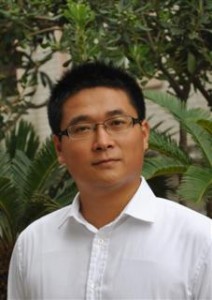 Director of Research Prof Yi Sui |